What Can You Legally Use Your Land For? Zoning, Approvals and Development Options
Zoning rules, county approvals and change of user explained — plus the realistic development options for a typical 50 × 100 or quarter-acre plot.
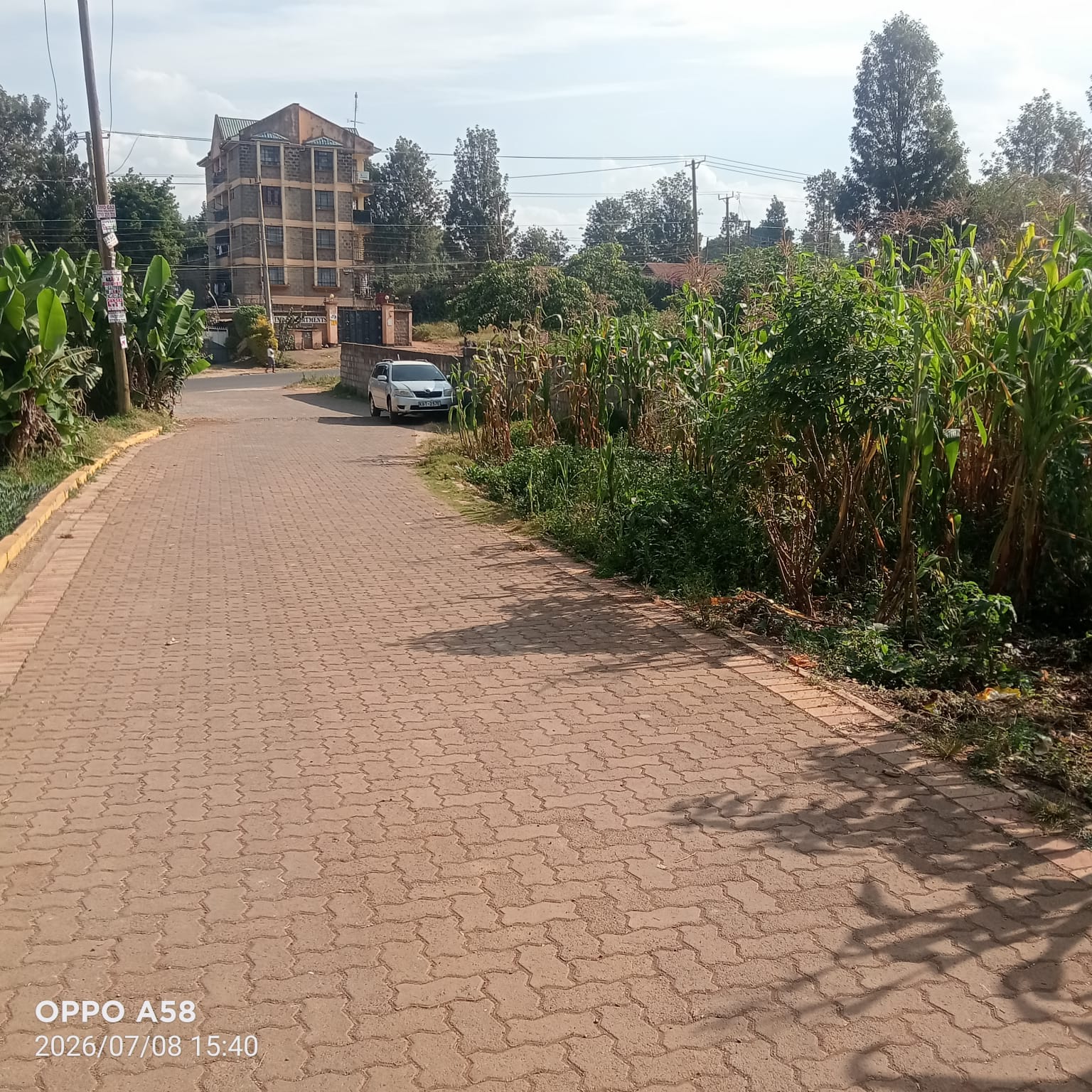
Owning a plot does not automatically entitle you to build whatever you like on it. What you can do is set by the county's zoning policy, the conditions on your title, and the approvals you obtain before breaking ground.
Start with zoning
Counties classify areas by permitted use and density — residential low density, residential high density, commercial, mixed use, industrial, or agricultural. Zoning determines how many floors you may build, what percentage of the plot you may cover (ground coverage), and the total floor area you may put up (plot ratio). Two identical plots on opposite sides of a road can carry very different rights.
Change of user
If you want to use agricultural land for a commercial or residential development, you apply for change of user through the county. It involves an application, public notification, county approval and an amendment noted against the title. Budget both money and several months for it; buying land on the assumption change of user is a formality is a common and costly mistake.
Approvals you will need before building
- 1.Architectural and structural drawings prepared by registered professionals
- 2.County development / building permit approval
- 3.NEMA environmental approval for larger projects
- 4.Water and sewerage connection approvals
- 5.Occupation certificate on completion
Realistic options for a 50 × 100 plot
- A single family home with room for a garden and parking
- A maisonette plus a small rental annexe for supplementary income
- A low-rise rental block of bedsitters or one-bedroom units where zoning allows
- Holding the land undeveloped while the area matures, then selling or partnering with a developer
Options for a quarter acre and above
A quarter acre opens up townhouse clusters, a mid-rise apartment block in high-density zones, or commercial uses such as a small retail row, offices, or a service business with parking. The right answer is the one the surrounding demand supports — build what the neighbourhood needs, not what you find impressive.
Joint ventures
If you own well-located land but lack construction capital, a joint venture with a developer lets you contribute the land in exchange for a share of the completed units or the sale proceeds. Get the split, the timelines and the exit terms recorded by an advocate before any works begin.
Next step
Considering a development play? Our Ruaka leasehold opportunity is structured for exactly that.
See development opportunitiesRelated articles
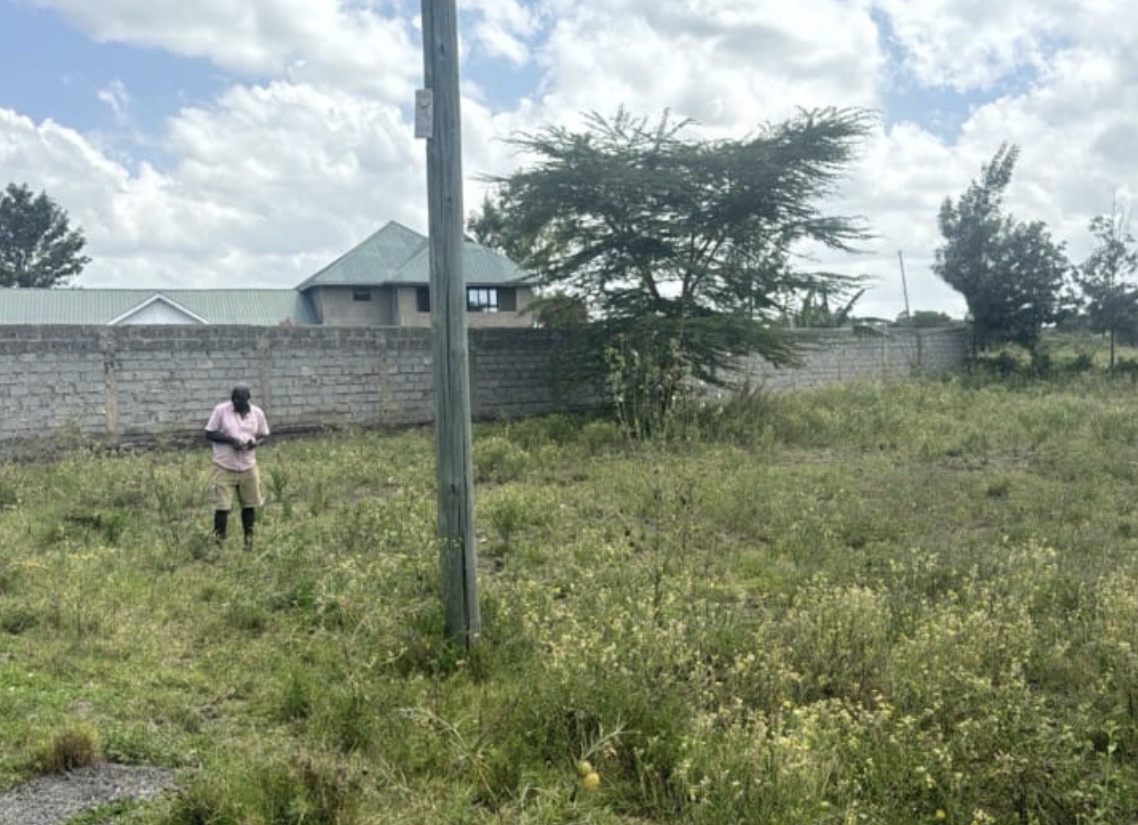 🔑 Buying Property
How to Buy Land in Kenya: A Step-by-Step Guide for First-Time Buyers
From identifying a plot to registering the transfer at the lands office — the full buying process explained in plain language, with the costs and timelines to expect.
Read More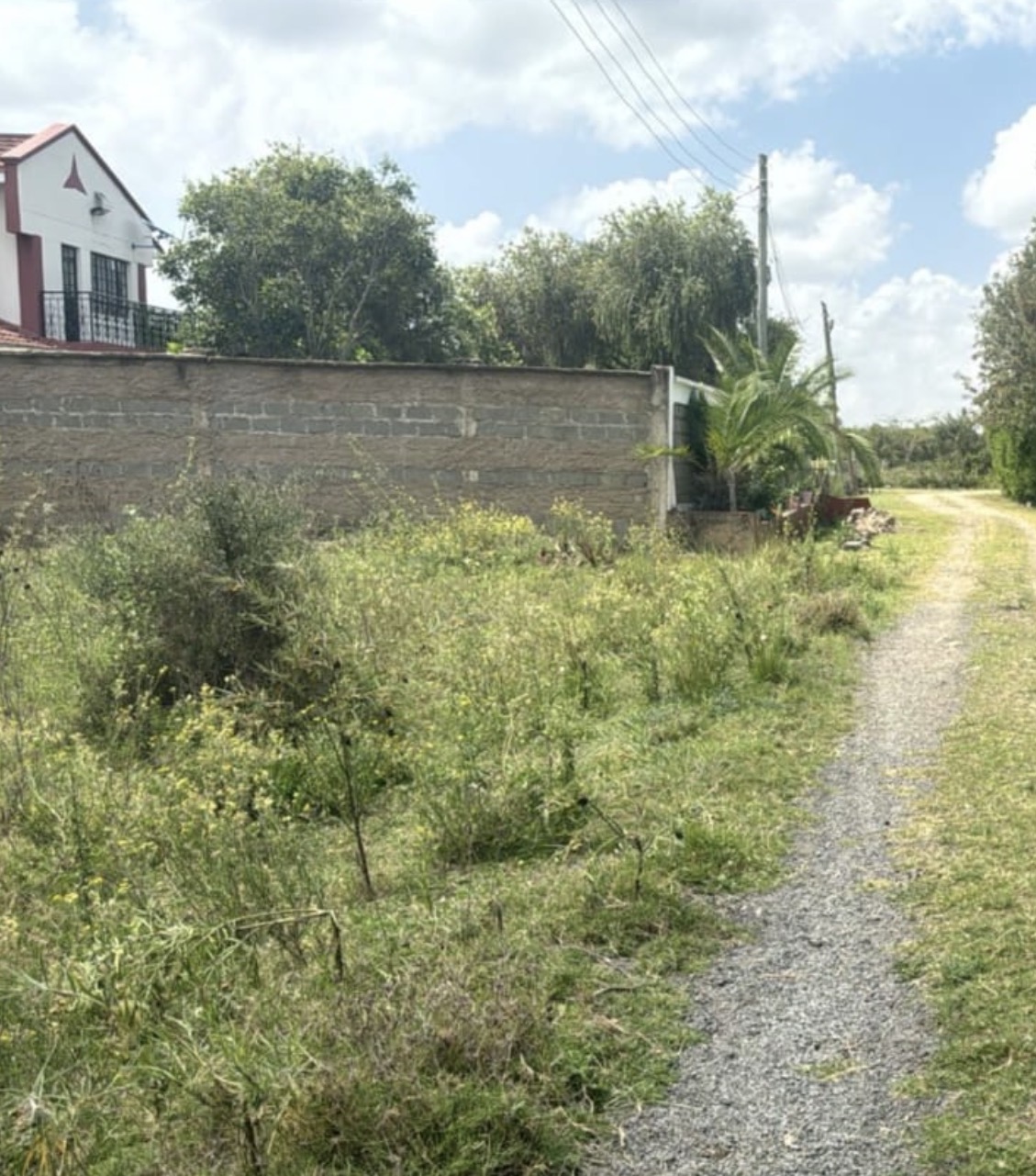 📜 Land Ownership
What Documents Should You Check Before Buying Land?
Title deed, official search, rates and rent clearance, mutation forms and more — the paperwork checklist that separates a safe purchase from an expensive lesson.
Read More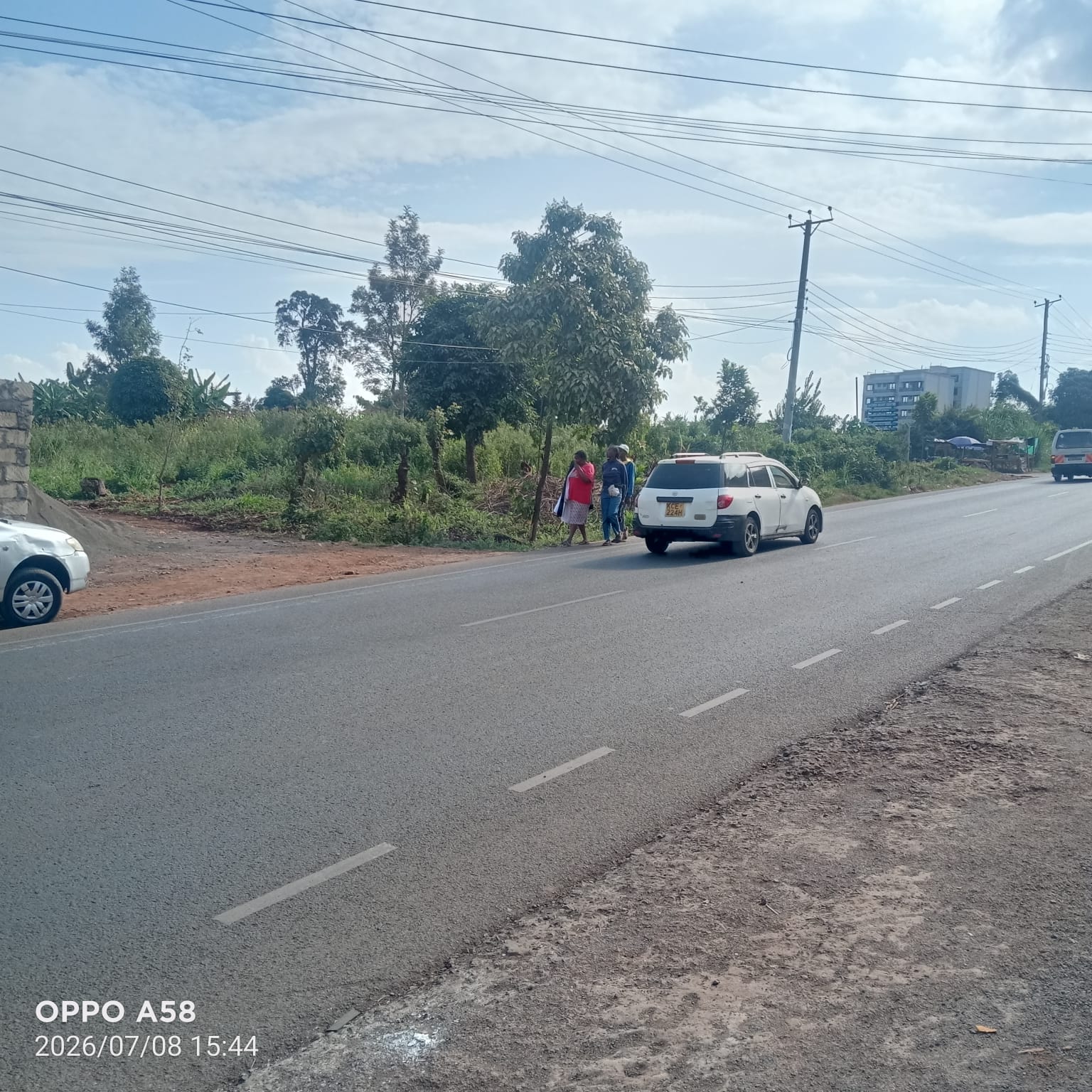 🤝 Leasing & Renting
How Does Leasing Land Work? A Guide for Landlords and Tenants
Lease terms, advance payments, who pays for what, and what belongs in a written lease agreement — for both sides of the table.
Read More