How Does Leasing Land Work? A Guide for Landlords and Tenants
Lease terms, advance payments, who pays for what, and what belongs in a written lease agreement — for both sides of the table.
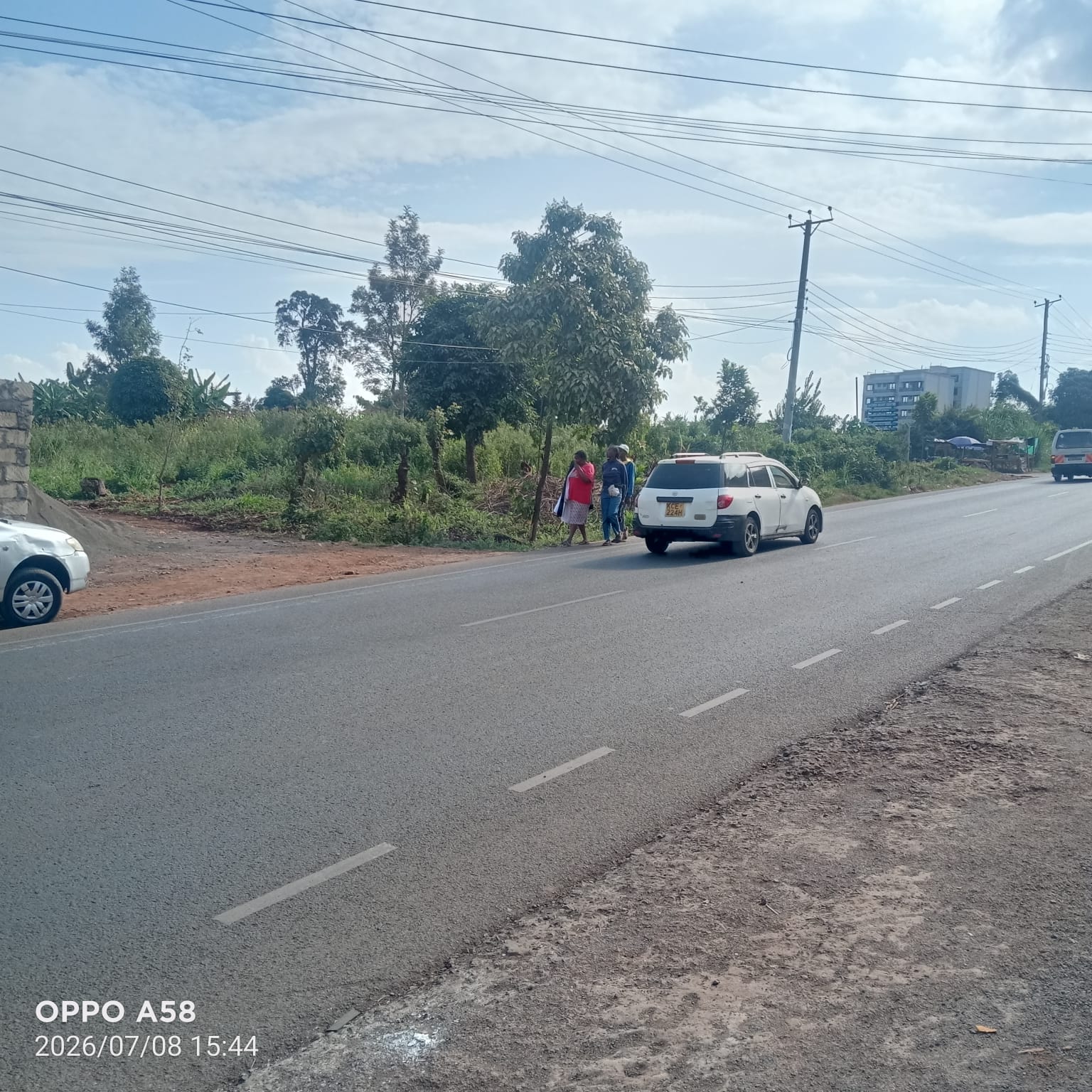
Leasing gives a tenant the right to use land for an agreed period without buying it, and gives the owner an income without selling. It suits businesses that need a location more than an asset, and developers who want to put up income-producing structures without tying up capital in land.
The core terms of a land lease
- Term — how many years, and whether there is an option to renew
- Rent — the amount, the payment frequency, and any advance payable up front
- Escalation — how and when rent increases, often a fixed percentage every one or two years
- Permitted use — what the tenant may and may not do on the land
- Improvements — who owns any structures at the end of the term
- Termination — notice periods and what triggers a right to end the lease early
Advance payments
It is common in Kenya for land leases, especially those supporting a development, to be quoted with an advance covering several years. That advance gives the owner certainty and gives the tenant a fixed cost base to plan a project around. Confirm in writing whether the advance is rent paid forward or a separate premium.
What landlords should check
Confirm the tenant's intended use is legal under the zoning and does not compromise the title. Require insurance. Specify a reinstatement obligation if you want the land returned clear. Keep title documents in your custody and never allow the lease to be used as security without your written consent.
What tenants should check
Verify the person leasing to you actually owns the land — run a search exactly as you would when buying. Confirm the unexpired term of the owner's own title is longer than the lease you are being offered. Make sure the lease term is long enough to recover your investment in any structures you build.
Registration
Leases exceeding a certain period should be registered against the title. Registration protects the tenant if the land changes hands and makes the arrangement enforceable against third parties. A handshake lease is worth exactly what it costs to make.
A good lease is boring reading. Every clause you skip today is a negotiation you lose later.
Next step
Interested in leasing land for development or business use? Talk to us about current opportunities.
Enquire about leasingRelated articles
 🔑 Buying Property
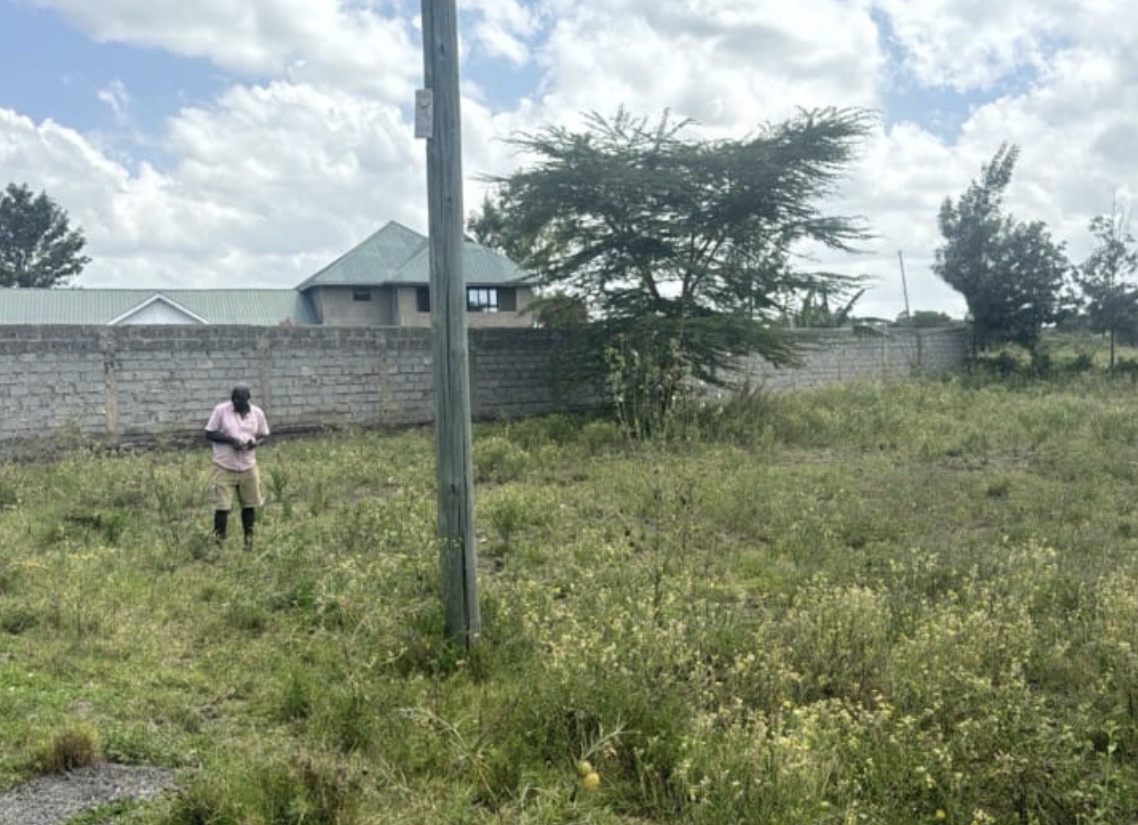
How to Buy Land in Kenya: A Step-by-Step Guide for First-Time Buyers
From identifying a plot to registering the transfer at the lands office — the full buying process explained in plain language, with the costs and timelines to expect.
Read More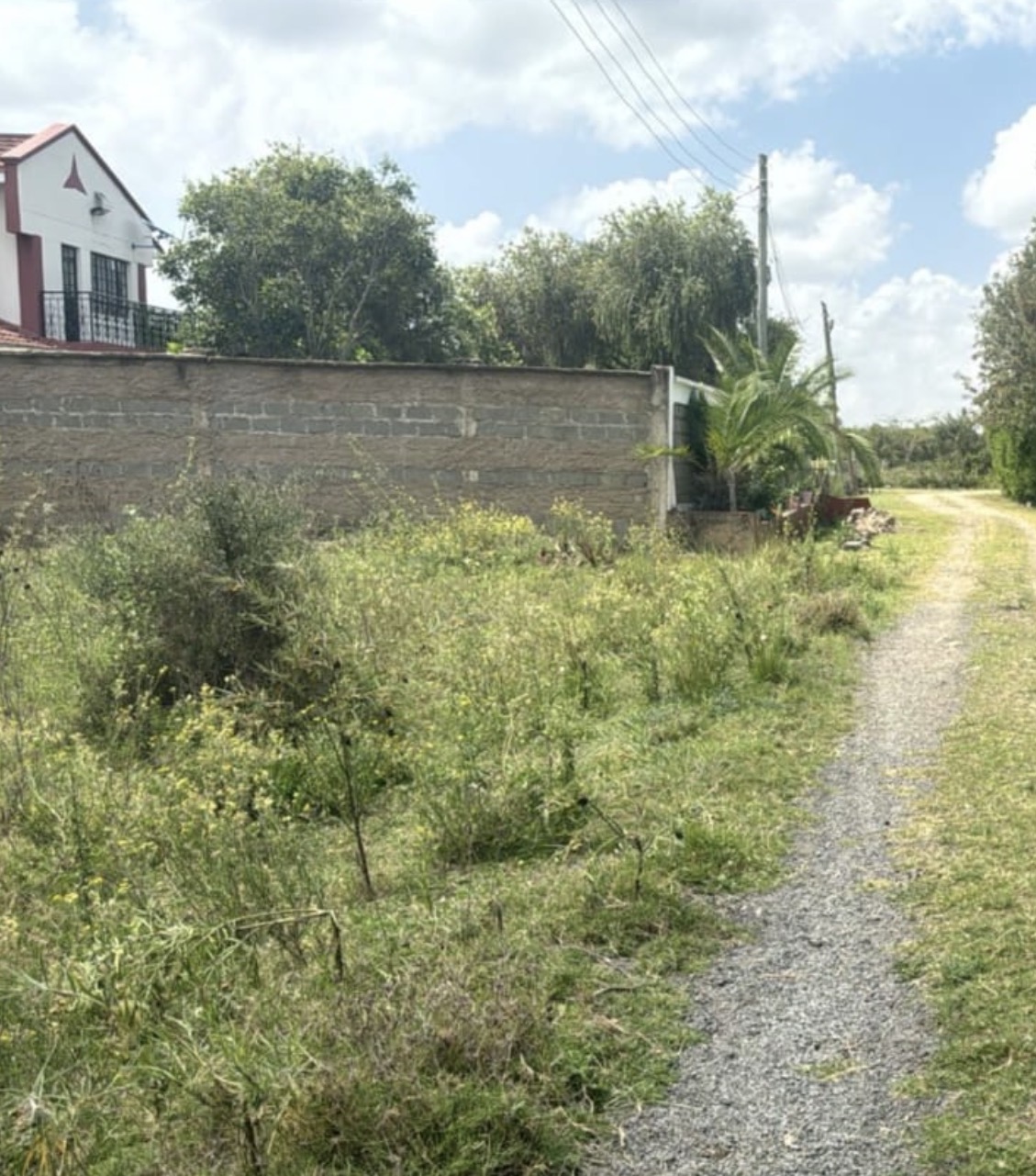 📜 Land Ownership
What Documents Should You Check Before Buying Land?
Title deed, official search, rates and rent clearance, mutation forms and more — the paperwork checklist that separates a safe purchase from an expensive lesson.
Read More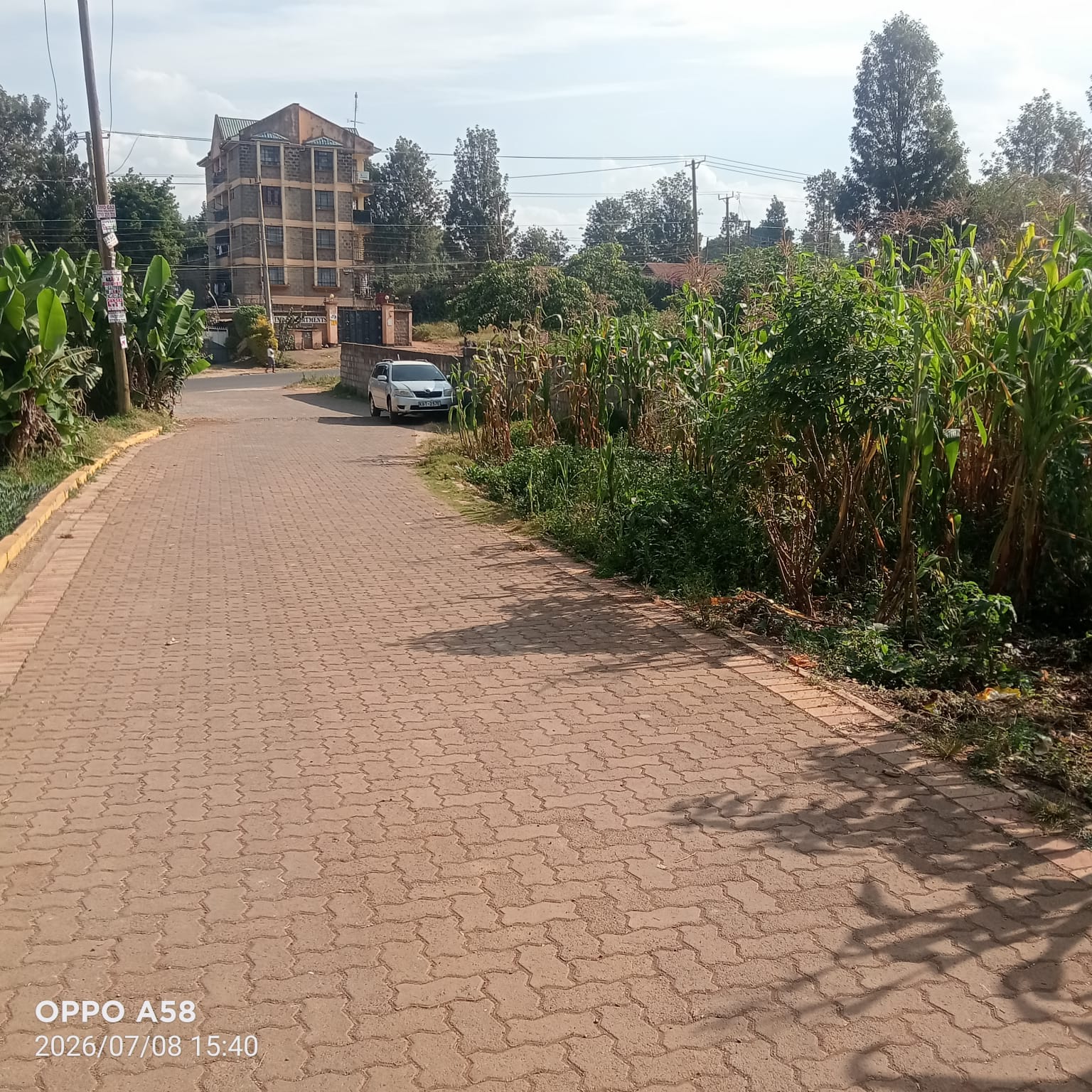 🏗 Property Development
What Can You Legally Use Your Land For? Zoning, Approvals and Development Options
Zoning rules, county approvals and change of user explained — plus the realistic development options for a typical 50 × 100 or quarter-acre plot.
Read More