How to Buy Land in Kenya: A Step-by-Step Guide for First-Time Buyers
From identifying a plot to registering the transfer at the lands office — the full buying process explained in plain language, with the costs and timelines to expect.

Buying land is still the most accessible way to build wealth in Kenya, but the process trips up first-time buyers more often than it should. Almost every problem traces back to the same two things: paying before verifying, and relying on a verbal agreement. This guide walks through the sequence a careful buyer follows.
1. Decide what the land is for
A plot you intend to build a family home on and a plot you intend to flip in five years are judged on different things. Before you shortlist anything, write down the purpose: own-occupation, rental development, commercial use, or a hold-and-resell investment. That single decision drives your budget, your preferred location, and the size you should be looking at.
2. Set a total budget, not just a purchase price
The asking price is roughly 90% of what you will spend. Budget for the following on top:
- Official search and land-control board fees
- Stamp duty — typically 4% of value in municipalities and 2% in rural areas
- Legal fees for the conveyancing advocate
- Surveyor's fee if you commission a fresh beacon check
- Registration and transfer costs
3. Visit the site — more than once
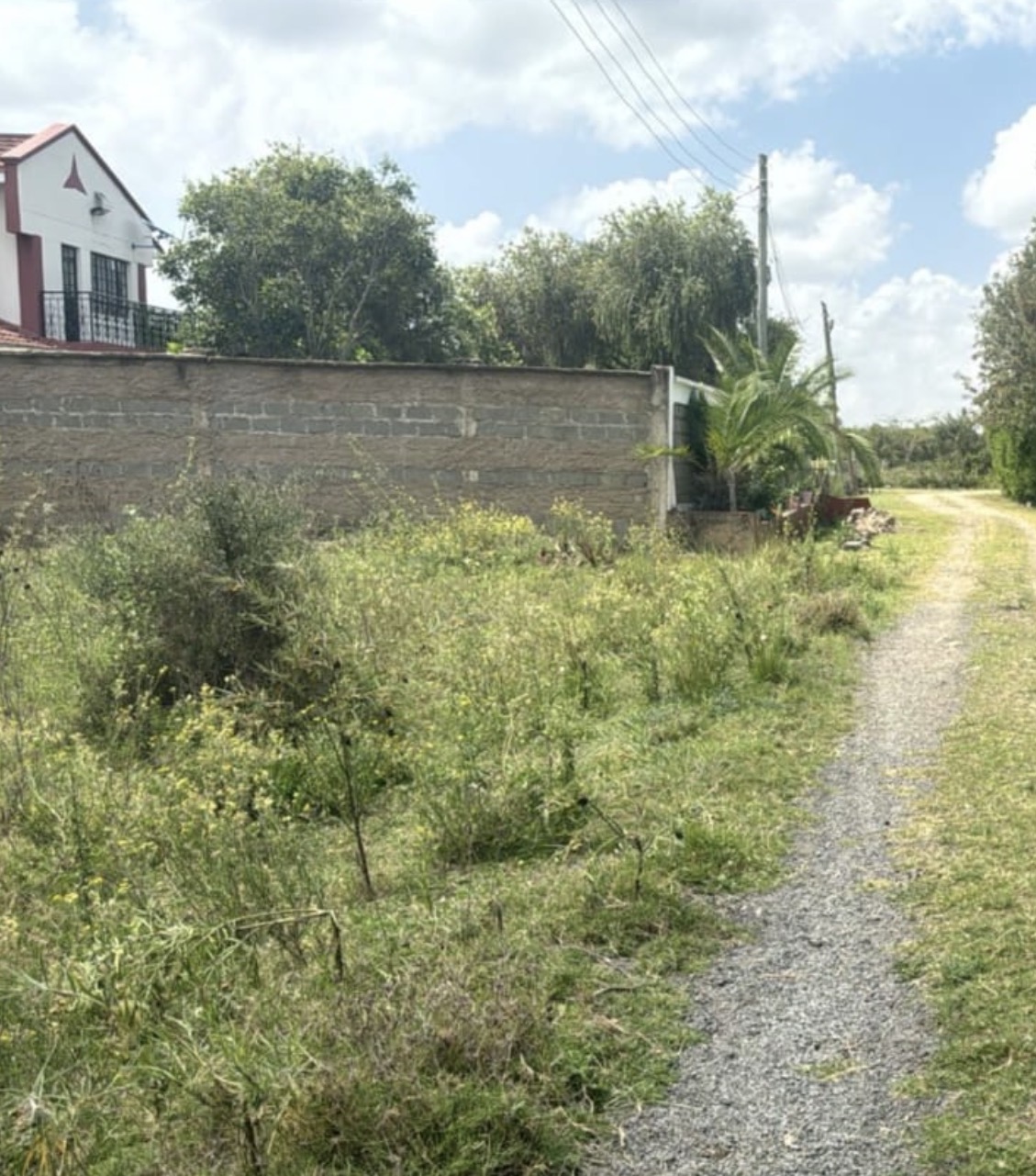
Photographs flatter every plot. Walk the land, check the access road in wet weather, look at what neighbours have built, and confirm how far it truly is from the tarmac. Ask about water, power and drainage. Visit once on a weekday and once at the weekend; the character of an area can change completely.
4. Conduct a search at the lands registry
An official search reveals the registered owner, the size, the tenure (freehold or leasehold) and any caveats, charges or cautions on the title. If the name on the search does not exactly match the person selling to you, stop until it is explained in writing. A search is inexpensive and it is the single most valuable step in the entire process.
5. Verify beacons and boundaries
Engage a licensed surveyor to confirm the beacons on the ground match the registry map. Boundary disputes are the most common source of litigation on subdivided land, and they are almost always avoidable.
6. Sign a sale agreement drafted by an advocate
The agreement should record the price, the deposit, the payment schedule, who pays which costs, the completion period, and what happens if either side defaults. Deposits are commonly 10%, with the balance paid on completion. Never pay a deposit into a personal account without an agreement in place.
7. Complete the transfer
Your advocate lodges the transfer documents, stamp duty is assessed and paid, and the title is registered in your name. Where consent is required — for agricultural land, or on leasehold titles — that consent is obtained before registration. Finish by conducting a fresh search that shows you as the registered owner.
If a seller is rushing you past the search stage, the discount is not a discount. It is a risk premium you are paying on their behalf.
How long does it take?
A clean freehold transfer with a cooperative seller typically completes in 60 to 90 days. Leasehold titles, or land needing land-control board consent, can take longer. Build that into your plans rather than being surprised by it.
Next step
Ready to buy? Browse our verified plots and income-generating properties across the Nairobi Metropolitan area.
Browse available propertiesRelated articles
 📜 Land Ownership
What Documents Should You Check Before Buying Land?
Title deed, official search, rates and rent clearance, mutation forms and more — the paperwork checklist that separates a safe purchase from an expensive lesson.
Read More 🏗 Property Development
What Can You Legally Use Your Land For? Zoning, Approvals and Development Options
Zoning rules, county approvals and change of user explained — plus the realistic development options for a typical 50 × 100 or quarter-acre plot.
Read More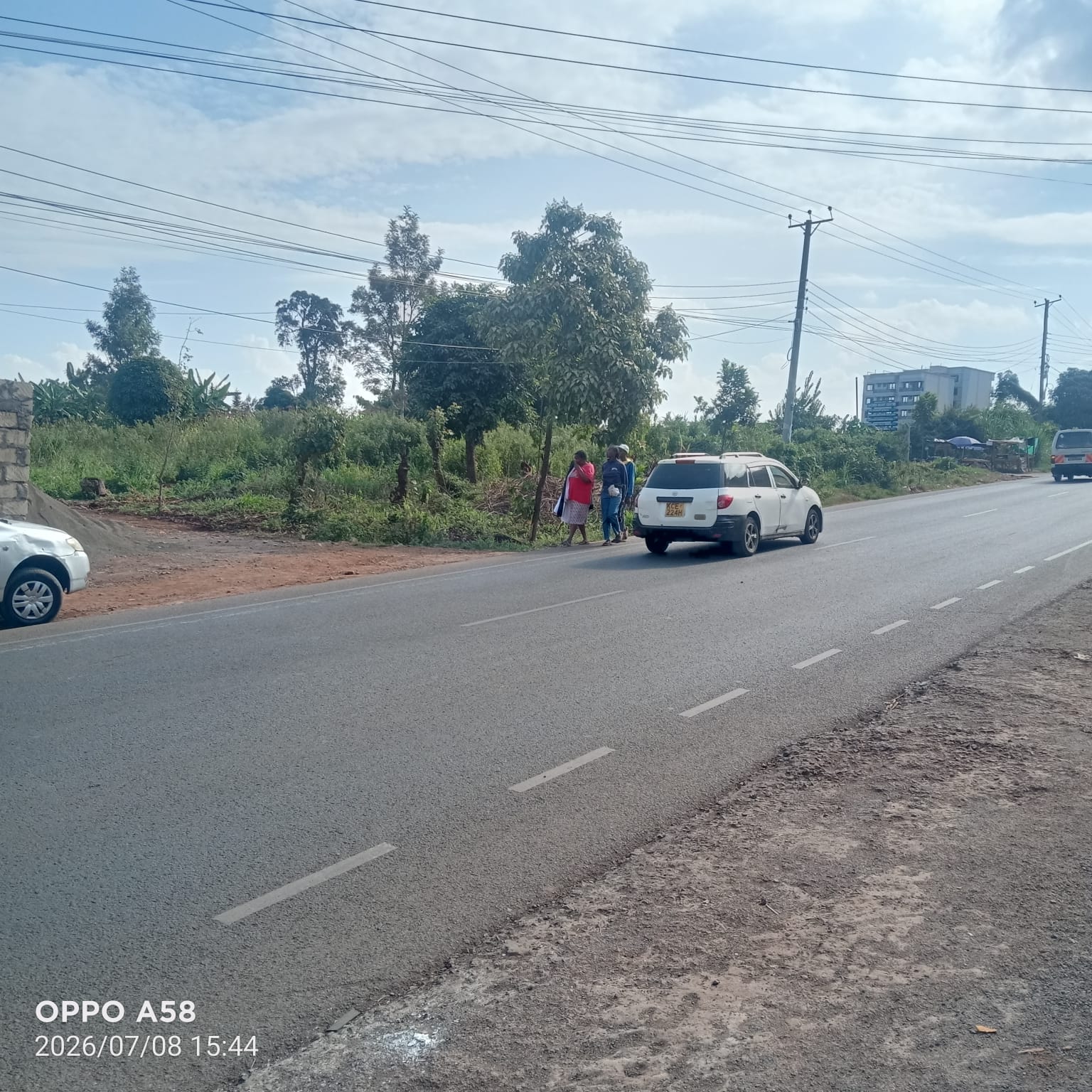 🤝 Leasing & Renting
How Does Leasing Land Work? A Guide for Landlords and Tenants
Lease terms, advance payments, who pays for what, and what belongs in a written lease agreement — for both sides of the table.
Read More