How to Generate Rental Income from a Property (and Keep It Coming)
Choosing the right unit mix, setting rent, screening tenants, budgeting for voids and running the numbers on gross versus net yield.

Rental income looks simple on a spreadsheet and gets complicated in practice. The investors who do well are consistent about three things: they build what their area actually rents, they price realistically, and they treat management as a job rather than an afterthought.
Match the unit mix to the tenant market
In dense satellite areas close to employment corridors, bedsitters and one-bedroom units let quickly and rarely sit empty. In established suburbs with families, two- and three-bedroom units command better rent and lower turnover. Walk the neighbourhood and ask what is scarce — that is what you should build.
Set the rent from evidence
Survey at least five comparable units nearby, note what is included, and price slightly inside the range if you want fast occupancy. Overpricing costs more in empty months than the extra rent would ever recover.
Understand gross versus net yield
Gross yield is annual rent divided by the property value. Net yield deducts the real costs of running the asset: management fees, maintenance, service charge, insurance, rates, and an allowance for vacancy and arrears. Net is the number that pays you.
Budget for the costs everyone forgets
- Vacancy allowance — commonly 5% to 10% of annual rent
- Repairs and periodic repainting
- Common-area electricity, water, security and cleaning
- Management fee if you are not self-managing
- Rental income tax on residential rent
Screen tenants properly
Take a written application, verify identity and income, call the previous landlord, and always use a signed tenancy agreement with a deposit held. One bad tenant costs more than a month of careful screening.
Decide how it will be managed
Self-managing saves the fee and costs you time and attention. A managing agent typically charges a percentage of collected rent and earns it through faster letting, consistent collection, and handling maintenance. For anything above a handful of units, professional management usually improves net income.
Next step
Want income from day one? Our 44-unit Ruaka block is already tenanted and trading.
View the investment listingRelated articles
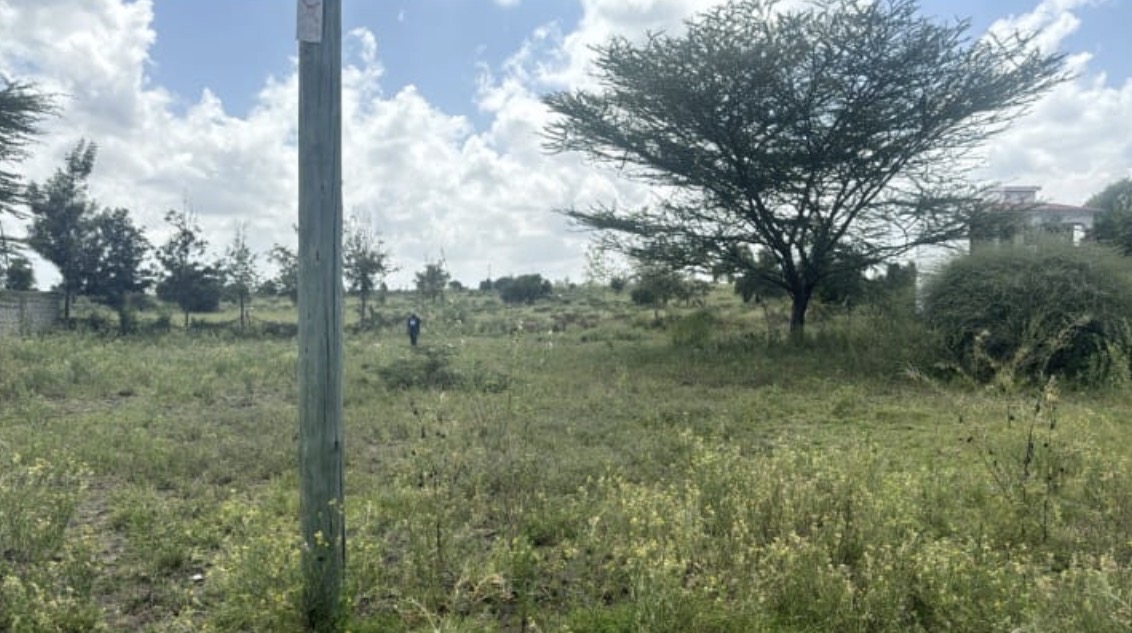 📈 Property Investment
Buying vs Leasing Property: Which One Actually Makes You Money?
A practical comparison of ownership and leasing — capital required, control, tax and exit — so you can match the structure to your goal.
Read More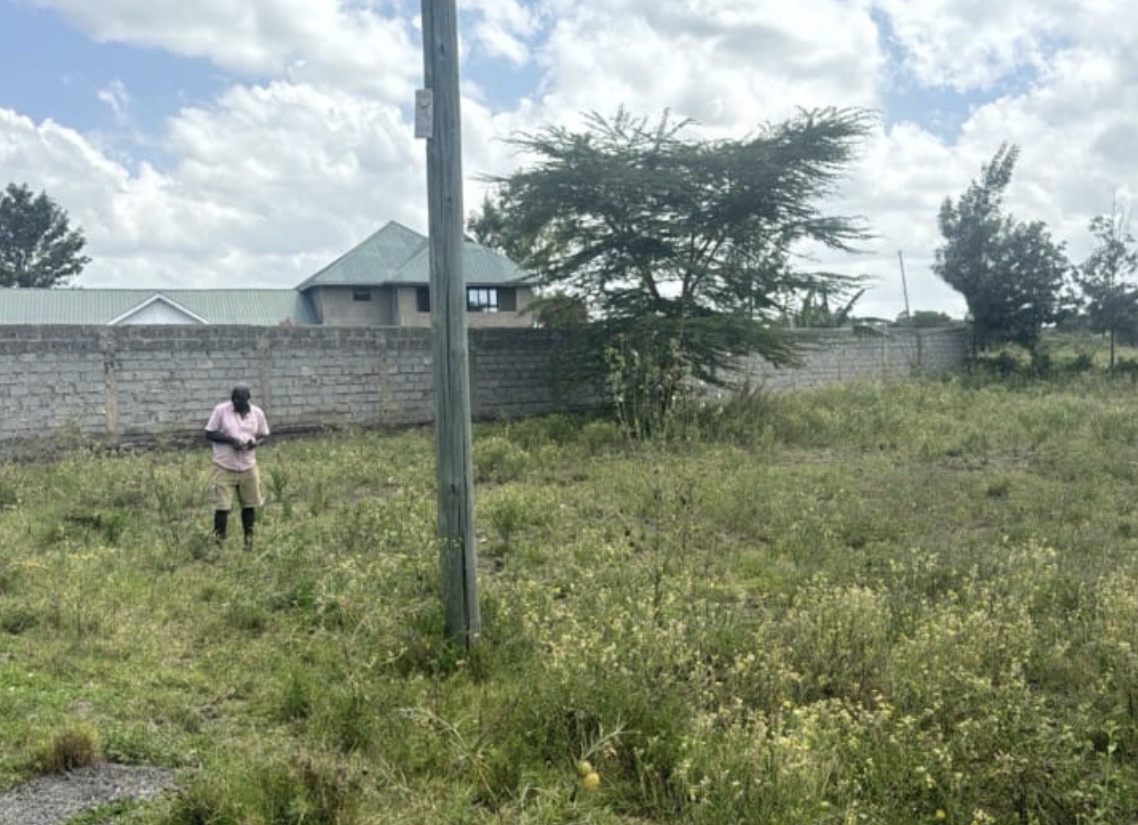 🔑 Buying Property
How to Buy Land in Kenya: A Step-by-Step Guide for First-Time Buyers
From identifying a plot to registering the transfer at the lands office — the full buying process explained in plain language, with the costs and timelines to expect.
Read More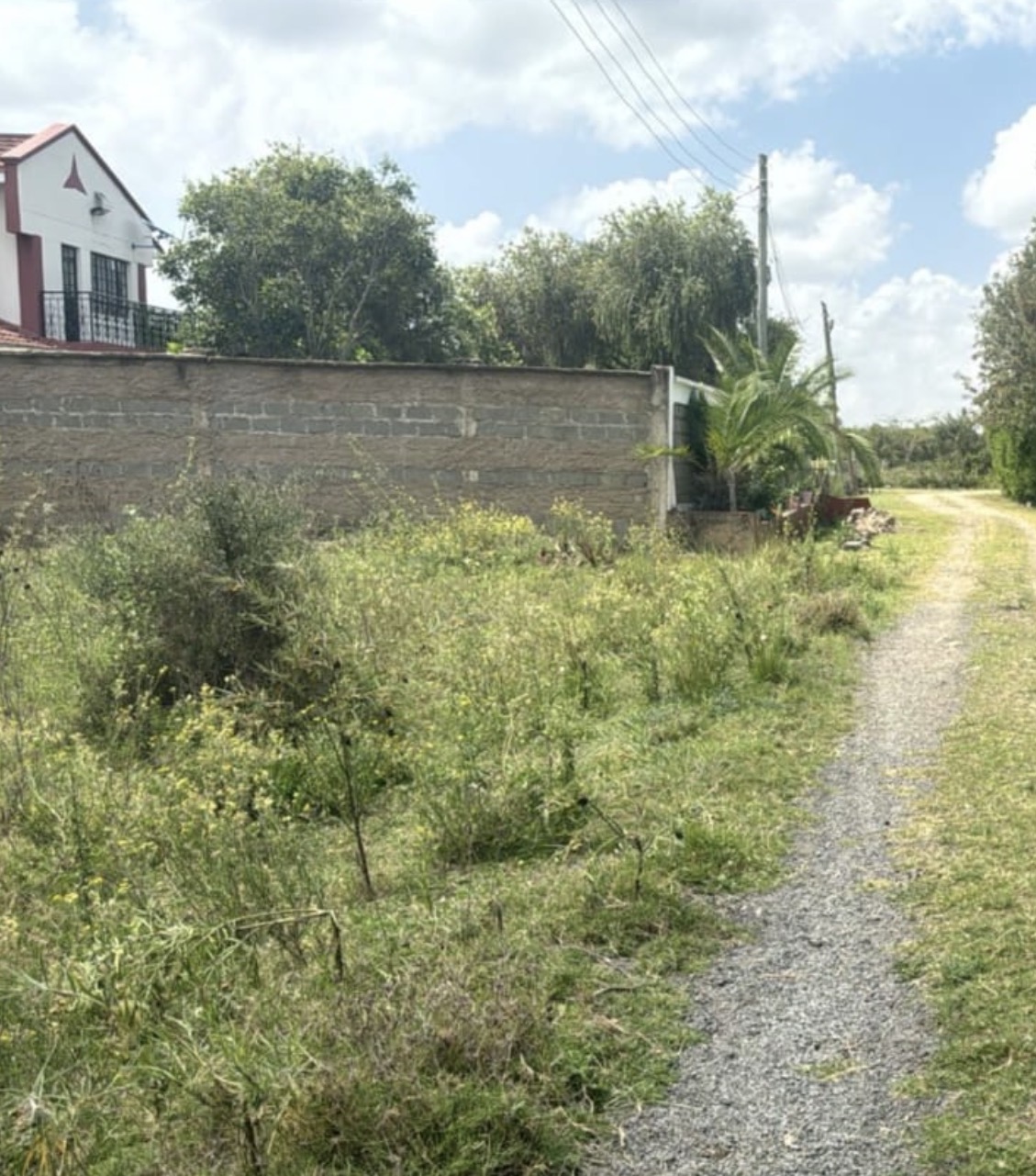 📜 Land Ownership
What Documents Should You Check Before Buying Land?
Title deed, official search, rates and rent clearance, mutation forms and more — the paperwork checklist that separates a safe purchase from an expensive lesson.
Read More