Buying vs Leasing Property: Which One Actually Makes You Money?
A practical comparison of ownership and leasing — capital required, control, tax and exit — so you can match the structure to your goal.
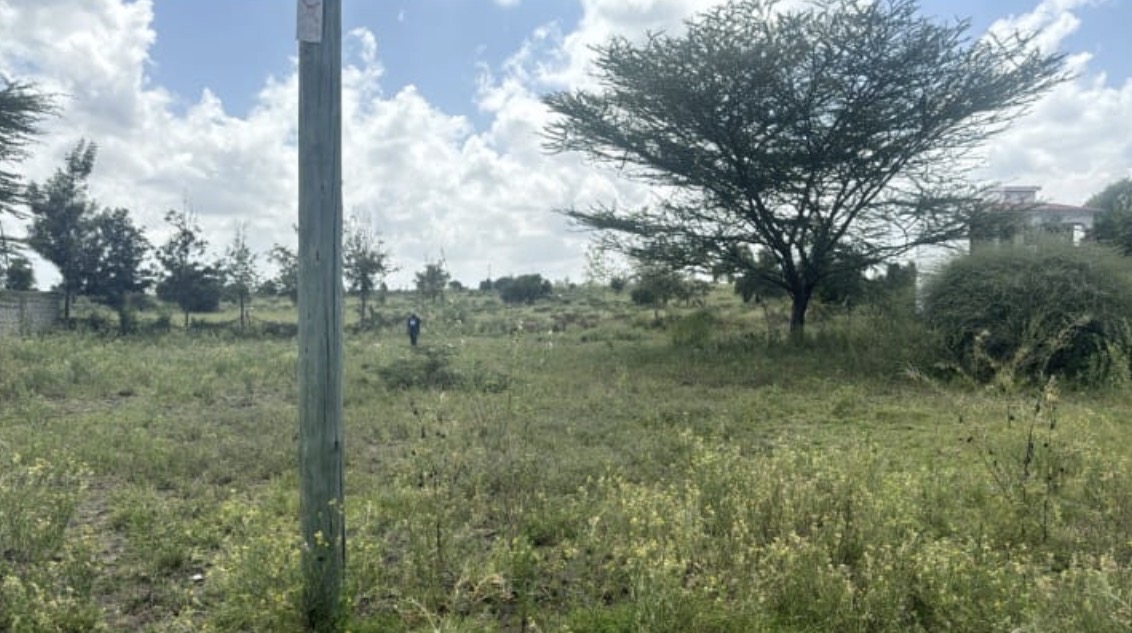
Buying and leasing solve different problems. Buying is a capital decision; leasing is a cash-flow decision. Which is right depends on how much capital you have, how long your horizon is, and whether you want the asset or just the use of it.
The case for buying
- You capture capital appreciation — historically the main driver of returns on well-located Kenyan land
- You have full control over use, development and disposal
- The asset can be used as security for financing
- There is no landlord who can decline to renew
The case for leasing
- Far less capital is locked up, so more of your money stays in the business or the build
- You can secure a prime location you could not afford to buy outright
- Costs are predictable and often deductible as a business expense
- You can exit at the end of the term without needing to find a buyer
Run the numbers on both
Compare the total cost of leasing over your planning horizon against the capital cost of buying plus the return you would have earned on that capital elsewhere. If the land is in a fast-appreciating corridor, buying usually wins over ten years. If your project pays back within the lease term and location matters more than ownership, leasing frequently wins.
A hybrid worth considering
Many investors lease their operating site and buy land elsewhere as a long-term store of value. That keeps working capital available while still building an asset base. It is often the most rational structure for a growing business owner.
Next step
Looking for your next property investment? Explore our available properties.
Explore propertiesRelated articles
 📈 Property Investment
How to Generate Rental Income from a Property (and Keep It Coming)
Choosing the right unit mix, setting rent, screening tenants, budgeting for voids and running the numbers on gross versus net yield.
Read More 🔑 Buying Property
How to Buy Land in Kenya: A Step-by-Step Guide for First-Time Buyers
From identifying a plot to registering the transfer at the lands office — the full buying process explained in plain language, with the costs and timelines to expect.
Read More 📜 Land Ownership
What Documents Should You Check Before Buying Land?
Title deed, official search, rates and rent clearance, mutation forms and more — the paperwork checklist that separates a safe purchase from an expensive lesson.
Read More