How Do You Choose the Right Location for a Property Investment?
Infrastructure, employment, supply pipeline and title integrity — the signals that separate a genuinely growing area from a well-marketed one.
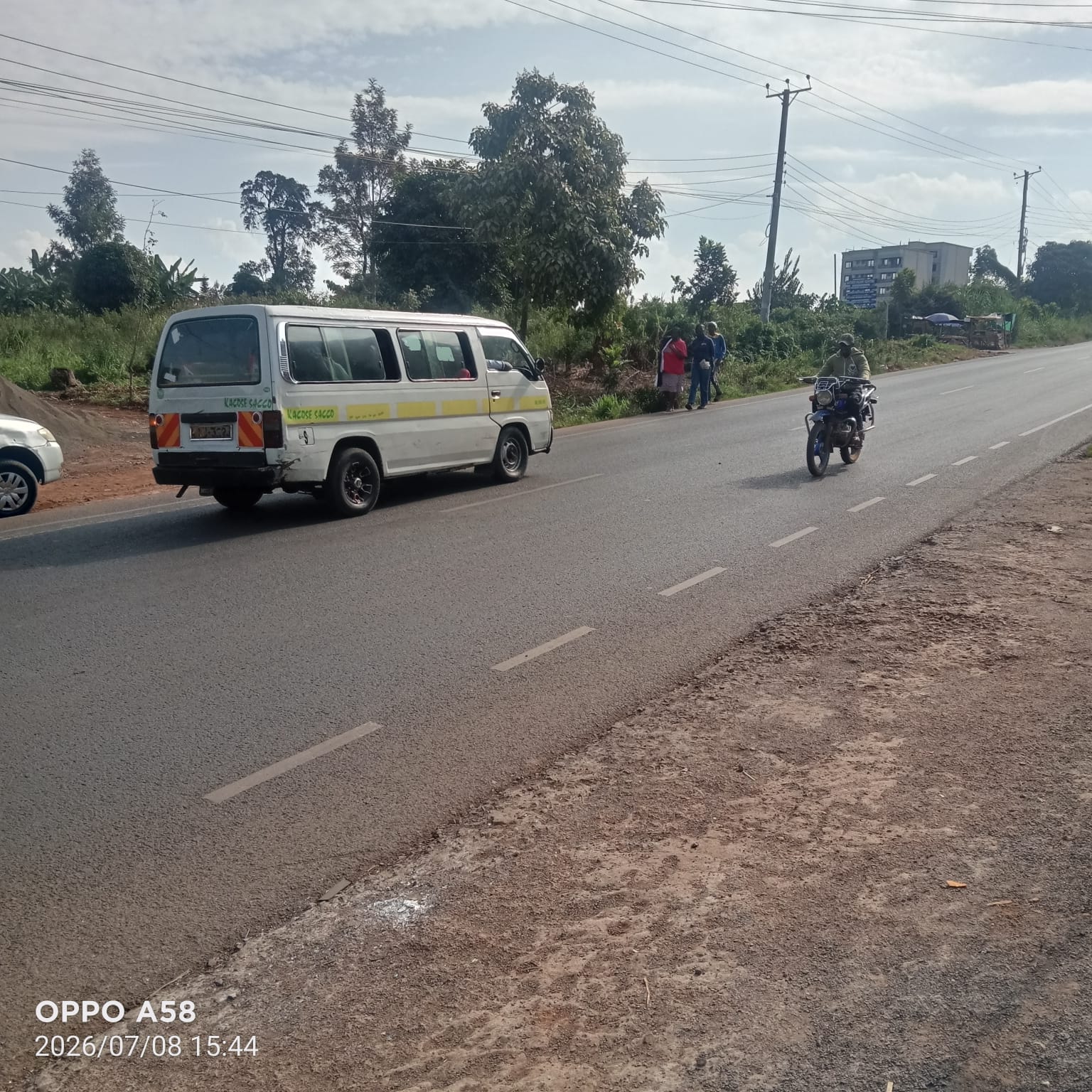
Location is the only variable you cannot fix later. You can renovate a building, restructure a loan, and change a tenant. You cannot move a plot. These are the signals worth weighting heavily.
Infrastructure that is funded, not just announced
Roads, water, sewer and power drive land values more than any other factor. Distinguish between projects under construction and projects in a press release. Buying ahead of confirmed infrastructure is where the biggest gains are made — and buying ahead of rumoured infrastructure is where the biggest losses happen.
Distance to employment and amenities
Tenants and buyers pay for the commute more than for the finish. Measure travel time to the nearest major employment centre in peak traffic, not distance in kilometres. Then check schools, hospitals, shopping and public transport.
Who else is building
Established construction by other owners is a strong endorsement — it means titles are clean enough to finance and services are adequate. An estate where most plots stand empty after several years is telling you something.
Supply pipeline
Too many similar units coming to market at once suppresses rent. Count what is under construction within a short radius before committing to a rental development.
Title integrity in the area
Some corridors carry a history of disputed subdivisions and overlapping allocations. Ask an advocate familiar with the county whether the registry section is clean. A cheap plot in a troubled section is not cheap.
A quick scoring exercise
- 1.Score access and road quality out of five
- 2.Score water and power availability out of five
- 3.Score commute time to employment out of five
- 4.Score neighbouring development activity out of five
- 5.Score title and documentation confidence out of five
Anything scoring below fifteen out of twenty-five needs a discount large enough to compensate — or it needs to be passed over.
Related articles
 🔑 Buying Property
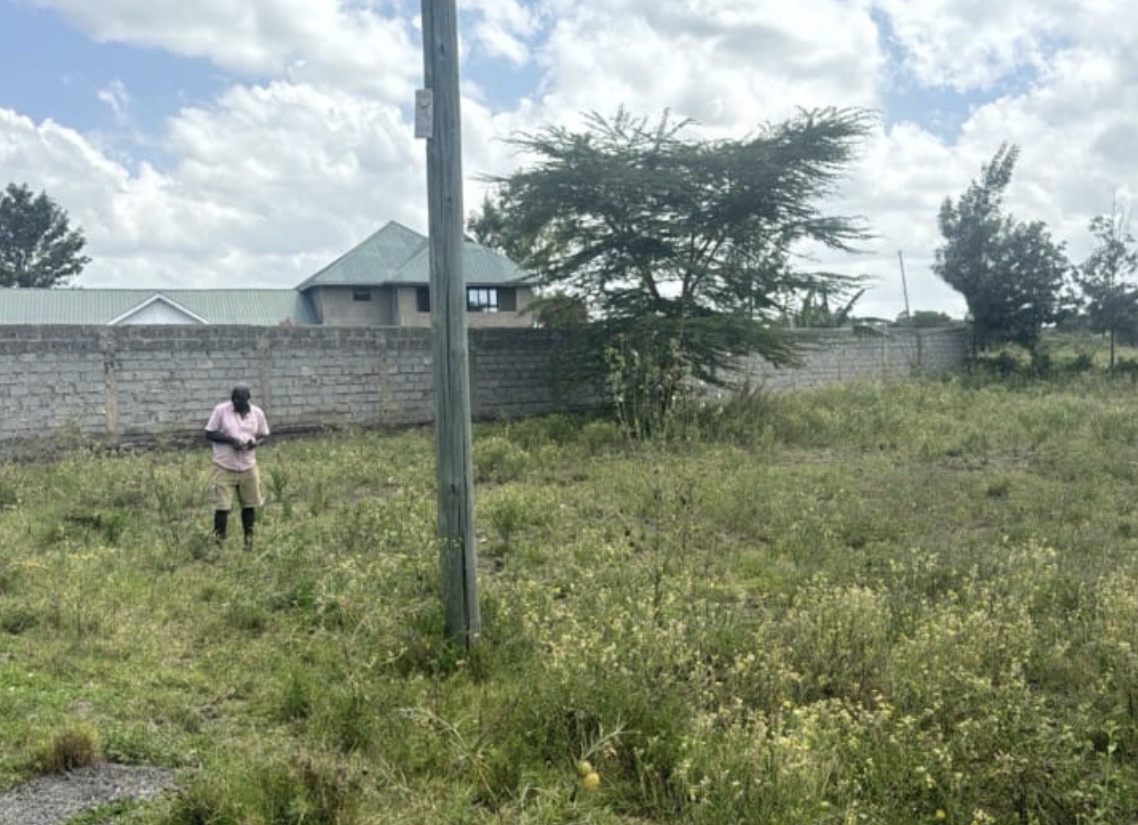
How to Buy Land in Kenya: A Step-by-Step Guide for First-Time Buyers
From identifying a plot to registering the transfer at the lands office — the full buying process explained in plain language, with the costs and timelines to expect.
Read More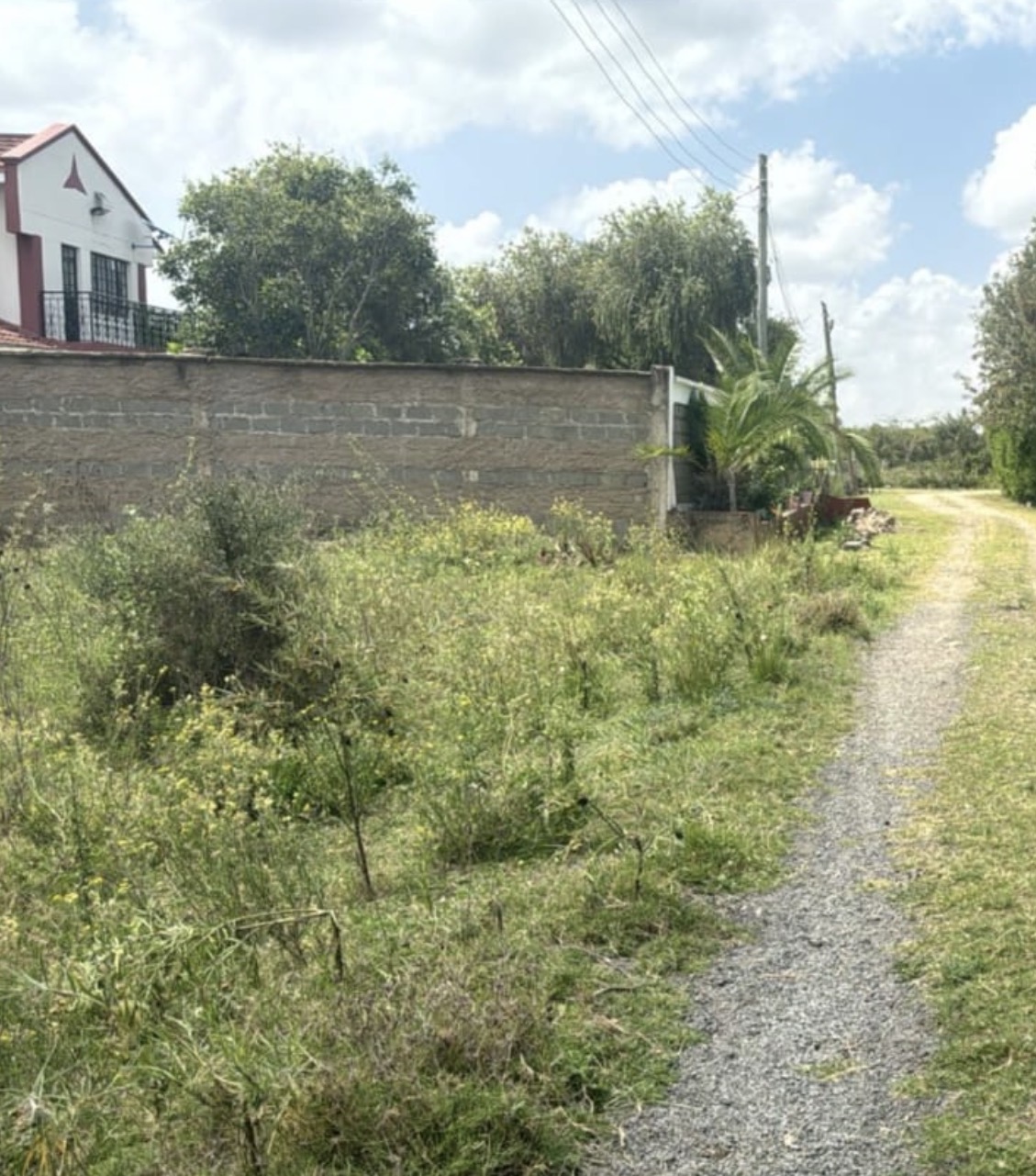 📜 Land Ownership
What Documents Should You Check Before Buying Land?
Title deed, official search, rates and rent clearance, mutation forms and more — the paperwork checklist that separates a safe purchase from an expensive lesson.
Read More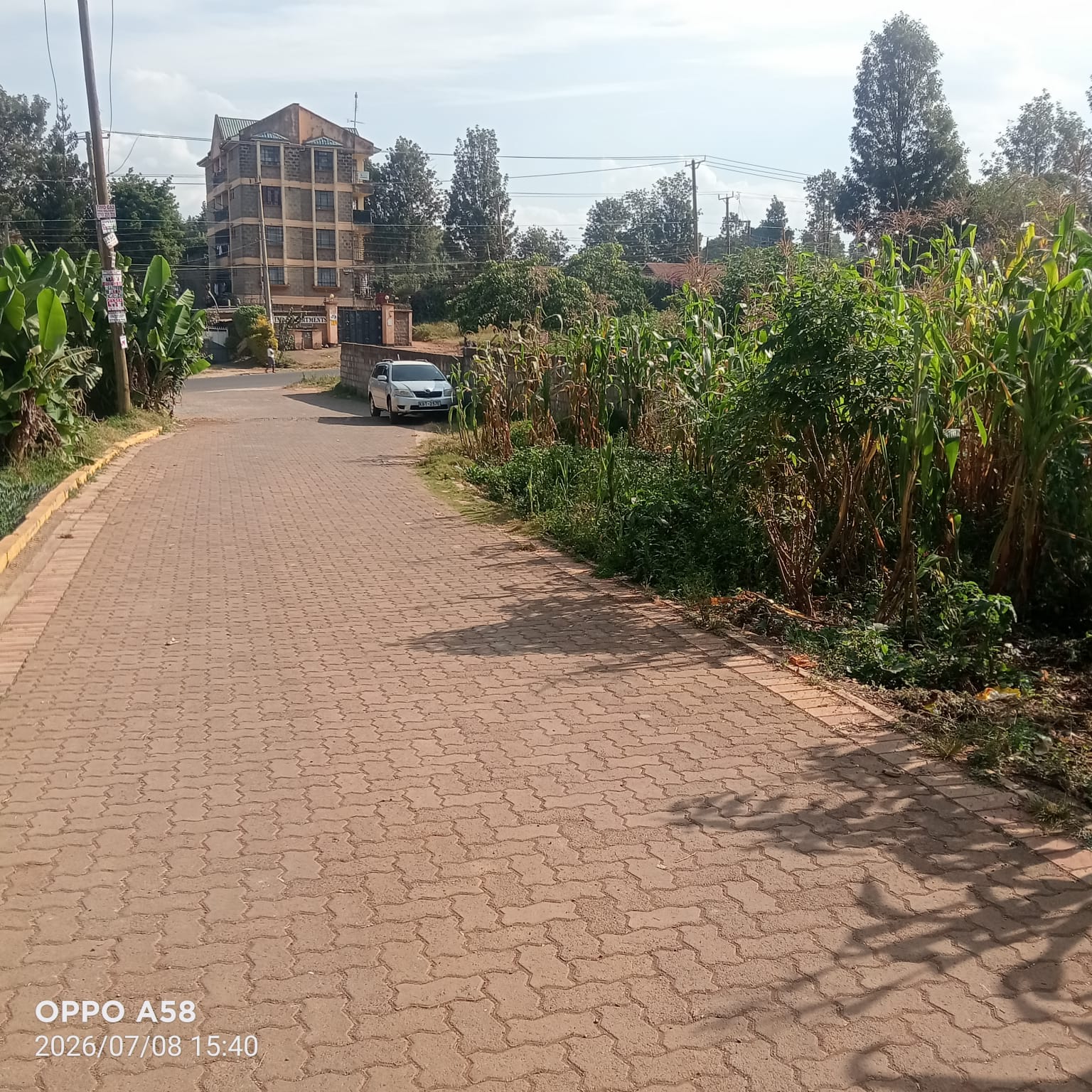 🏗 Property Development
What Can You Legally Use Your Land For? Zoning, Approvals and Development Options
Zoning rules, county approvals and change of user explained — plus the realistic development options for a typical 50 × 100 or quarter-acre plot.
Read More